

























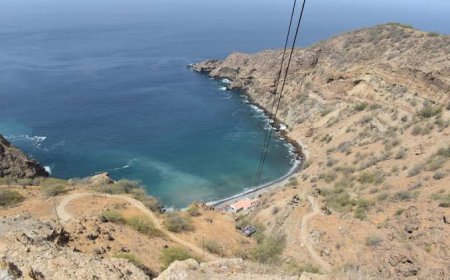


Excessive dependence on the island of Fogo is seen as an obstacle to the development of the island of Brava
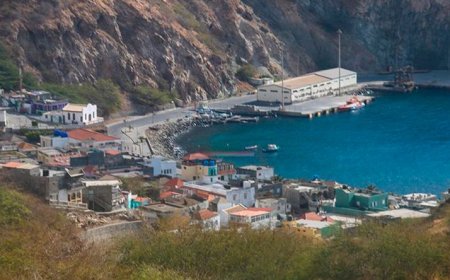
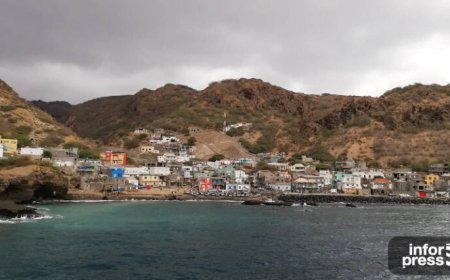
Nova Sintra, June 29, 2026 (Bravanews) - A significant portion of the population of Brava Island has been expressing, with increasing candor, its concern over what it considers to be an “excessive and suffocating dependence” on the neighboring island of Fogo. For many residents, local activists, and business leaders, this umbilical tie—far from being merely a bridge of regional complementarity—has become a real obstacle to the autonomous development of the “Island of Flowers.”
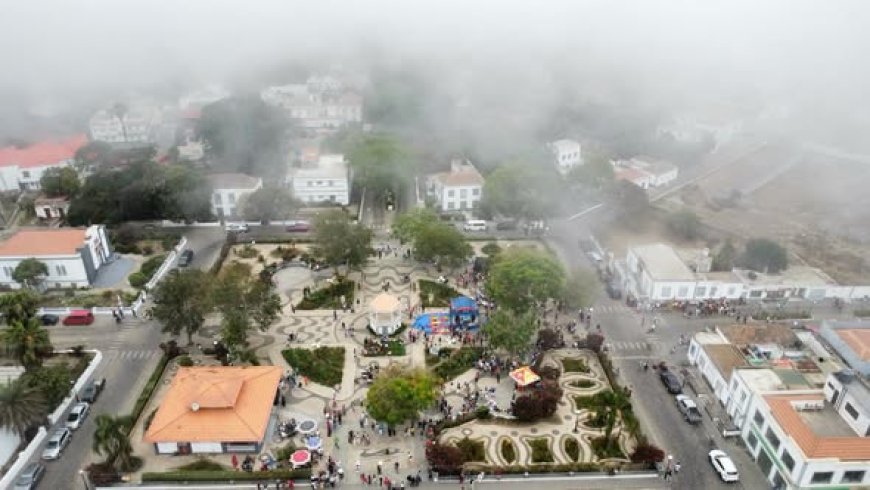
This dissatisfaction stems from everyday realities that directly affect the quality of life on Brava. In the health sector, for example, the lack of certain medical specialties and diagnostic equipment on the island means that the overwhelming majority of patients must first be transferred to the São Francisco de Assis Regional Hospital in São Filipe (Fogo).
"We feel like second-class citizens. For a specialist appointment or a more thorough exam, we have to take a boat, stay overnight on Fogo, and deal with the bureaucracy there. If the sea is rough, our health care is put on hold,” laments a resident of Nova Sintra.
Economically speaking, the situation is much the same. Most of the goods, fresh produce, and construction materials that supply Brava’s businesses first pass through the port of Fogo or depend on suppliers based there. This indirect route drives up the local cost of living and reduces the room for maneuver and competitiveness of Brava’s business owners.
The bone of contention remains the maritime transport network. Although the government has announced substantial investments—including the recent acquisition of a ship specifically dedicated to the Brava/Fogo/Brava route to mitigate isolation— this segment of the population argues that the island needs direct and more frequent connections to the country’s capital, Praia (on the island of Santiago), without the need for a mandatory stopover in Fogo.
Critics of this regional centralization point out that, by concentrating major infrastructure and decentralized government services in São Filipe, Brava ends up receiving only the “leftovers” of public investment earmarked for the Fogo-Brava Region. All regional companies and decentralized government services end up being headquartered in São Filipe.
In light of this assessment, local voices are beginning to demand a paradigm shift in public policy. It is argued that Brava’s future lies in granting health and local government structures greater decision-making and financial autonomy, designing logistics networks that connect Brava directly to major national consumer centers, and investing in the development of sustainable tourism, fishing, and the utilization of remittances from the large emigrant community in the United States, without Fogo acting as an intermediary.
Although the geographical proximity and the historical and family ties between the two islands are acknowledged, the sentiment that Brava needs to “stand on its own two feet” is gaining ground. The population is now calling on the central government to view the island not as an appendage of Fogo, but as a territorial unit with the potential and the right to fully autonomous development.